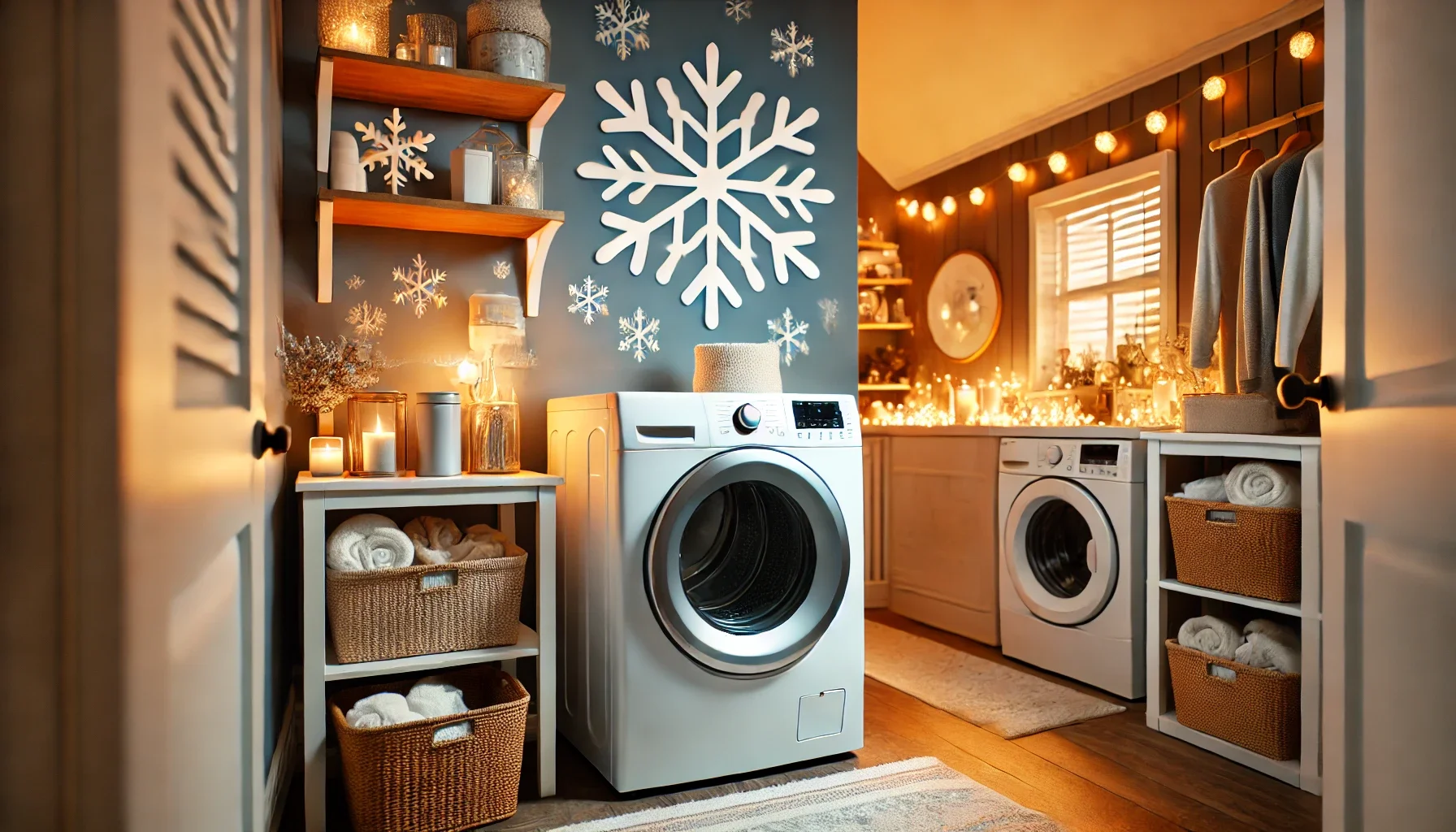
Charlotte winters don't look like winters in Minnesota or Chicago - but "mild" doesn't mean "harmless." A sudden cold snap, a night that drops into the 20s after a week of 50-degree days, or a stretch of damp, humid air can all put real stress on the appliances you rely on every day. At SmartFix Appliances, our technicians see the same pattern every year: homeowners assume that because the winter is mild, their appliances don't need attention. Then a water heater fails during the first hard freeze, or a fridge starts running non-stop because nobody has checked the coils since spring.
This guide walks through exactly what to do - not just what to check - so your HVAC system, refrigerator, washer and dryer, water heater, and dishwasher all make it through the season without a surprise breakdown.
Why Winterizing Appliances in Charlotte Actually Matters
Charlotte's climate is a strange mix for appliances: high humidity most of the year, occasional freezing nights, and temperature swings of 20-30°F within a single week are common from December through February. That swing is harder on appliances than steady cold. Metal expands and contracts, seals loosen, and moisture that would evaporate quickly in a dry climate lingers inside dishwashers, refrigerator door gaskets, and washing machine drums - which is exactly the environment mold and mildew need.
What we typically see in winter service calls in the Charlotte area:
- Refrigerators running longer cycles because coils weren't cleaned since summer
- Washing machine supply lines that cracked after a single overnight freeze in an unheated garage or laundry room
- Water heaters short-cycling or failing to keep up with demand due to sediment buildup
- Dishwasher odors and mold around the door seal from trapped humidity
None of these are dramatic problems on their own - but each one either costs you money in energy bills or turns into an emergency repair at the worst possible time. Winterizing now is cheaper than repairing later.
Essential Appliances to Winterize in Your Charlotte Home
HVAC Systems
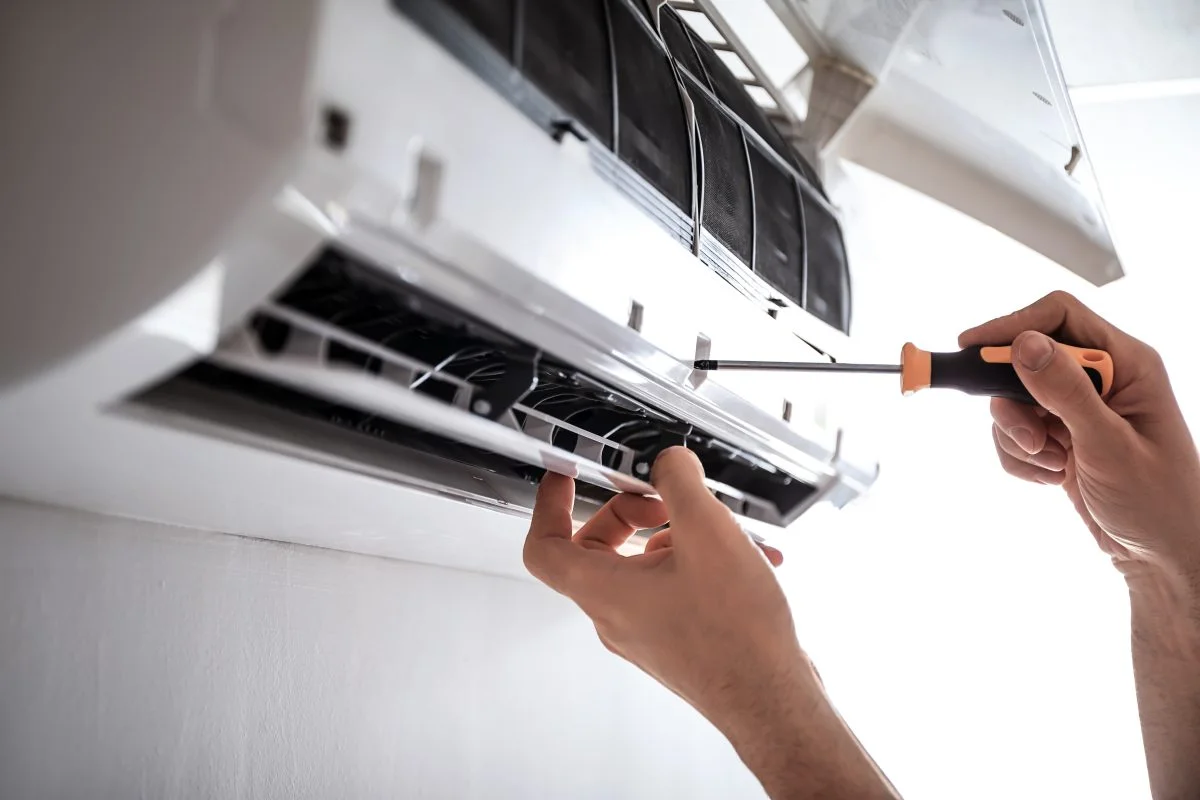
- Filters: Replace or clean every 60-90 days during heating season (monthly if you have pets). A clogged filter forces the blower motor to work harder, which raises your energy bill and shortens the system's life.
- Ducts: Check accessible duct joints for gaps or disconnected sections - warm air escaping into a crawlspace or attic is one of the most common (and invisible) sources of winter energy waste.
- Professional inspection: Have a technician check refrigerant levels, the heat exchanger, and thermostat calibration once a year, ideally before the first cold snap.
Refrigerators and Freezers
- Clean the condenser coils (usually behind or underneath the unit) every 6 months - more often if you have pets, since fur is the biggest cause of coil clogging. Unplug the unit, vacuum the coils with a brush attachment, and check for a thick layer of dust or lint. If the coils feel warm to the touch after normal use or the fridge runs almost constantly, that's a sign they need cleaning now.
- Check door seals by closing the door on a piece of paper - if it slides out easily, the gasket needs replacing. A failing seal lets in the winter's damp air, forcing the compressor to run longer and raising humidity inside the fridge.
- Set temperatures precisely: 37°F for the refrigerator and 0°F for the freezer. These numbers aren't arbitrary - 37°F is cold enough to slow bacterial growth without freezing produce, and every degree colder than necessary adds measurable strain and energy cost with no food-safety benefit.
Washing Machines and Dryers
- Inspect hoses for bulging, cracking, or brittle spots - rubber hoses typically last 3-5 years and are far more likely to fail after a cold night than during summer.
- Insulate water lines if your washer sits in a garage, basement, or any unconditioned space. A single hard freeze can split a supply line, and the resulting leak often isn't discovered until water has already damaged flooring or drywall.
- Clean dryer vents and exhaust ducts at least once a year. Lint buildup is both a fire hazard and an efficiency problem - a partially blocked vent can double drying time and trap humidity in the space around the dryer.
Water Heaters
- Flush the tank annually to remove sediment. Sediment buildup makes the heating element work harder to reach set temperature, which increases energy use and can shorten the tank's lifespan by years.
- Set the temperature to 120°F. This balances comfort and safety - hotter settings raise scald risk and energy use without meaningfully improving performance.
- Watch for early warning signs: rumbling or popping sounds usually mean sediment is hardening at the bottom of the tank; noticeably longer wait times for hot water often signal the heating element is struggling.
Dishwashers
- Clean the filter monthly during heavy winter cooking and hosting season - food debris combined with winter humidity is a fast track to odors and mold.
- Check the drain hose for kinks or blockages. Poor drainage left standing in cold conditions is one of the more overlooked causes of winter appliance damage.
The Real Costs of Skipping Maintenance
It's easy to put off a $0 task like cleaning coils. Here's what ignoring it actually costs over time:
| Neglected task | Typical consequence |
| Dirty refrigerator coils | 10-25% higher energy use; compressor wears out years early |
| Clogged HVAC filter | Higher utility bills; increased risk of a mid-winter system failure |
| Sediment-filled water heater | Reduced hot water capacity; shortened tank lifespan |
| Unclogged dryer vent | Longer dry times, higher fire risk |
| Cracked supply hose | Water damage that often costs far more than the hose itself |
A five-minute maintenance task is almost always cheaper than the repair - or the water damage - that follows when it's skipped.
Risks to Take Seriously This Winter
Most winterizing tasks are about efficiency. A few are about safety and property damage, and deserve extra attention:
- Frozen and burst pipes or hoses - especially in garages, unheated laundry rooms, or homes with older plumbing. Water damage from a single burst line can run into the thousands of dollars.
- Dryer vent fires - lint buildup combined with longer drying cycles in winter is a leading cause of home appliance fires nationally.
- Carbon monoxide risk from poorly maintained gas water heaters or furnaces - an annual inspection isn't optional for gas appliances.
- Electrical strain on older HVAC systems and water heaters working harder in cold snaps, which can trip breakers or, in older wiring, pose a fire risk.
If you notice any of these warning signs, treat them as urgent rather than something to monitor.
When to Call a Technician
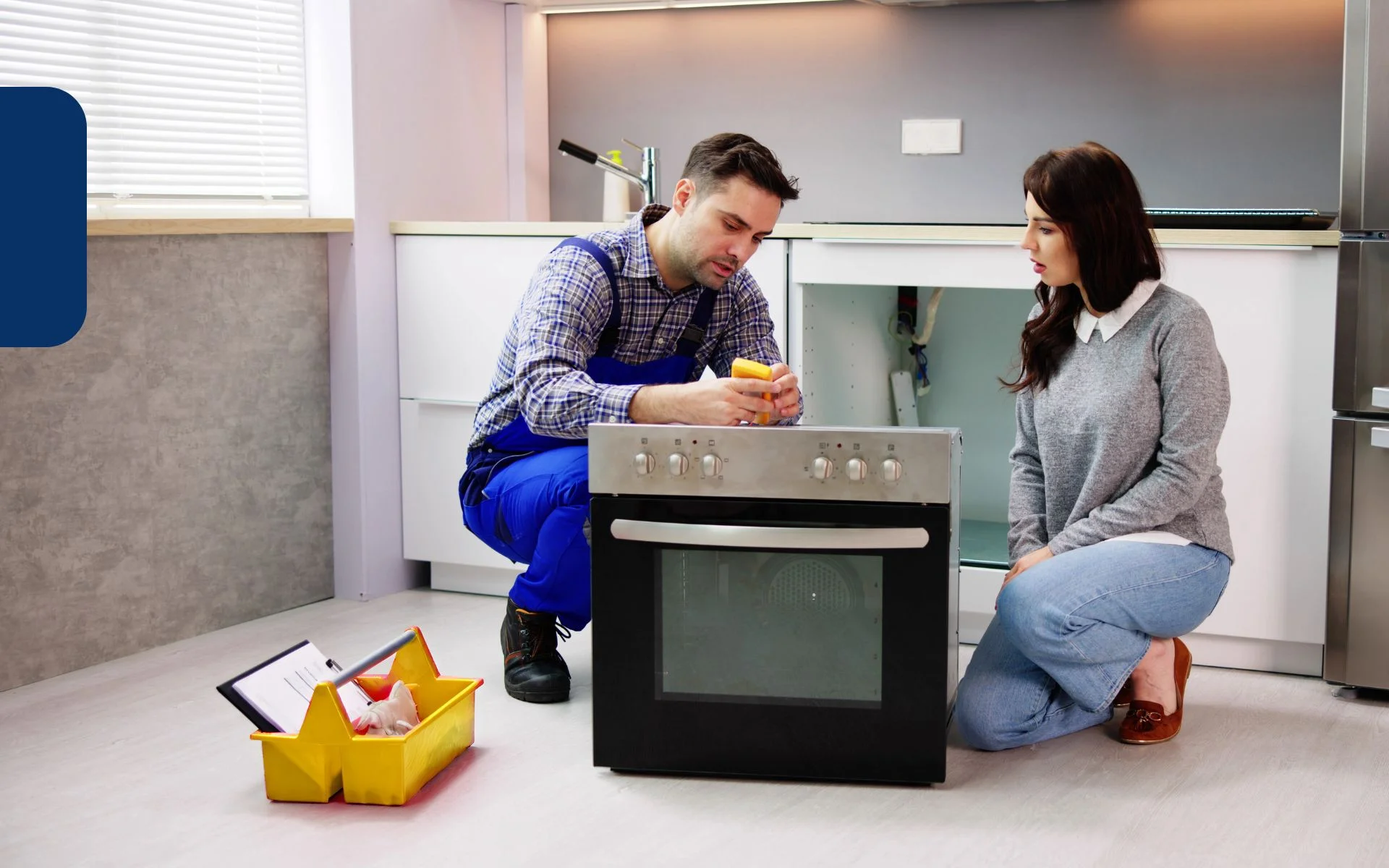
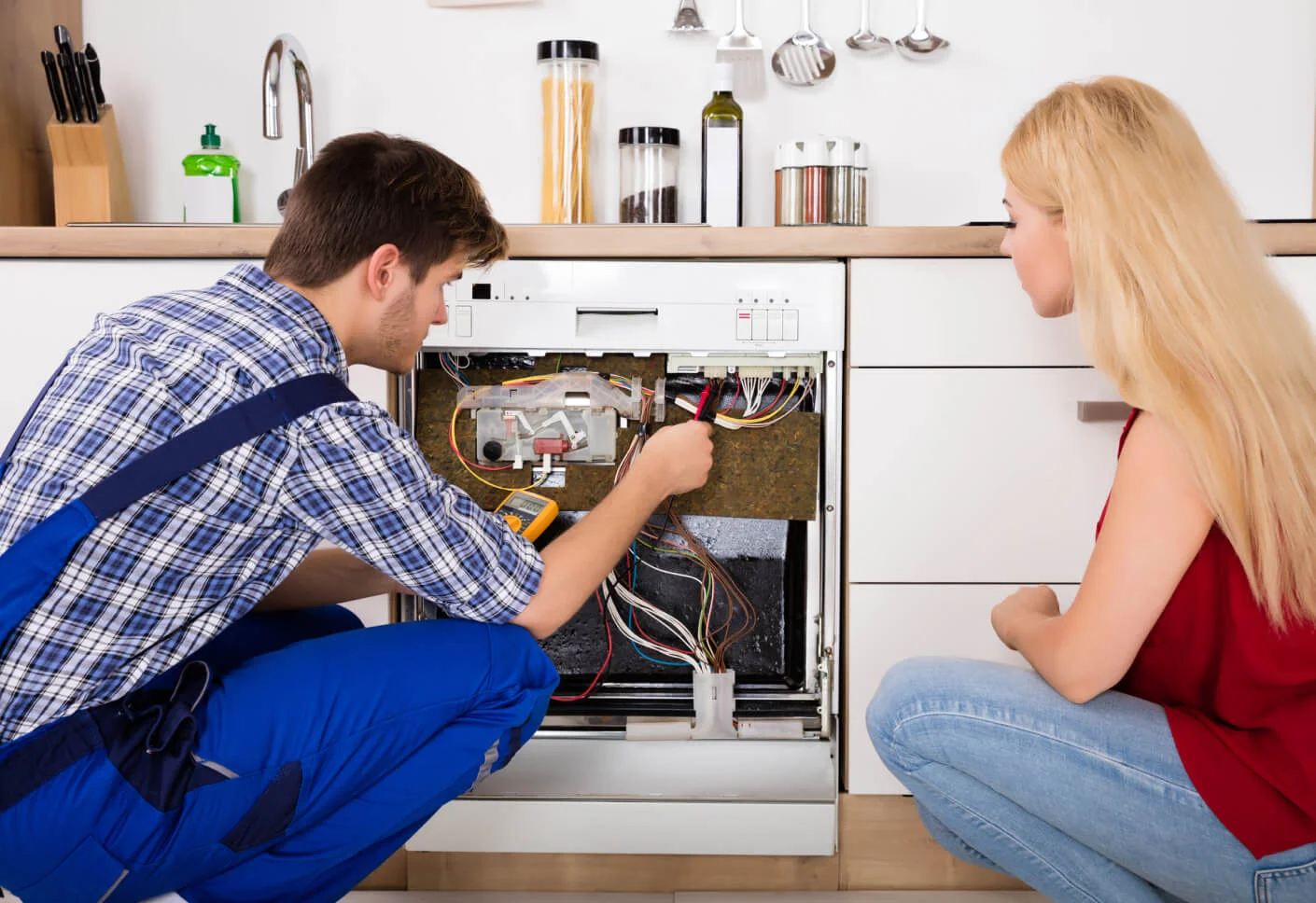
DIY maintenance covers most of what's above, but certain signs mean it's time to call a professional rather than wait:
- Your HVAC system is blowing cool or inconsistent air despite a clean filter
- You hear popping, rumbling, or banging from your water heater
- Your refrigerator runs constantly and still isn't cold enough
- You smell gas, notice scorch marks, or see exposed wiring near any appliance
- Water is pooling near a washing machine, dishwasher, or water heater
These aren't situations where waiting saves money - a same-day inspection is almost always cheaper than the damage that comes from letting the issue sit through a cold snap.
Common Mistakes to Avoid
- Ignoring appliance settings. Reverting to "whatever it was set to" instead of 37°F/0°F/120°F wastes energy year-round, not just in winter.
- Overloading washers and dishwashers to get through holiday laundry and dishes faster - this is one of the most common causes of premature appliance failure we see each January.
- Skipping professional maintenance on HVAC and water heater systems because "everything seems fine." Many failures are invisible until the appliance is under real load during a cold snap.
- Ignoring drafts and insulation, which forces your HVAC and water heater to work harder than they should, accelerating wear on both.
Winter Appliance Checklist
- Replace or clean HVAC filter
- Schedule professional HVAC inspection
- Clean refrigerator condenser coils
- Check refrigerator/freezer door seals
- Confirm fridge is at 37°F, freezer at 0°F
- Inspect washing machine hoses for cracks or wear
- Insulate exposed water lines in garage/basement/laundry room
- Clean dryer vent and exhaust duct
- Flush water heater tank
- Set water heater to 120°F
- Clean dishwasher filter
- Check dishwasher drain hose for blockages
Charlotte's winters may be mild, but the appliances that keep your home running don't know that - they respond to the same freeze-thaw stress, humidity, and holiday workload as anywhere else. A little attention now, from cleaning coils to flushing your water heater, is the difference between a quiet, comfortable winter and an emergency repair call in the middle of a cold snap.
If you'd rather have a professional handle the inspection, our technicians serve homes throughout the Charlotte area and can check your HVAC, refrigerator, washer, dryer, water heater, and dishwasher in a single visit.
Ready to get your home winter-ready? Contact SmartFix Appliances to schedule your seasonal appliance check-up.
Frequently asked questions
Yes. Mild winters still bring hard freezes and big temperature swings, which are often harder on hoses, seals, and pipes than steady, predictable cold. Charlotte's humidity adds its own risks, like mold and mildew inside dishwashers and refrigerators.
Every 6 months for most households; every 3-4 months if you have pets, since fur and dust build up faster.
Yes - it's hot enough for comfortable use while limiting scald risk and unnecessary energy use. Higher settings mainly add cost, not comfort.
Frozen or cracked hoses and supply lines in garages and unheated spaces, followed closely by refrigerators running inefficiently due to dirty coils.