
Ever pulled your favorite T-shirt out of the wash only to discover a mysterious hole, a strange odor, or a faded patch that wasn’t there before? If so, you're not alone. These issues aren’t just frustrating - they could indicate that something deeper is wrong inside your washing machine.
Even the most reliable washing machines can silently damage your clothes if a few key things aren’t working properly. From rough drum seals to detergent buildup, there are hidden culprits causing problems that often go unnoticed until your wardrobe starts paying the price.
Let’s dive into the 4 sneaky washing machine issues that could be quietly ruining your clothes - and show you how to fix them fast.
Worn or Damaged Drum Seals Are Tearing Your Clothes
Symptoms: Tiny holes or rips in delicate fabrics after a wash.
What’s Really Going On: Over time, the rubber seals or plastic paddles inside the drum can crack, warp, or loosen. When this happens, delicate fabrics like cotton, silk, or synthetics can get caught in the rough spots during the spin cycle. This can cause small tears or mysterious holes that seem to appear out of nowhere.
How to Spot the Problem: With the machine off, gently run your hand along the inside of the drum. Do you feel any sharp edges or cracks? These small imperfections can grab hold of delicate fabrics during a spin cycle.
Fix It:
- Light damage? You might be able to carefully file down rough edges or tighten loose paddles yourself (check your machine’s manual).
- Bigger problem? If the drum seal is cracked or separated, it’s best to call a professional repair technician - attempting to fix it yourself could make things worse.
Pro Tip: If your washing machine is damaging clothes regularly, make it a habit to inspect the inside of the drum at least once a month, especially if it’s over a few years old.
Overuse of Detergent Is Leaving Stains and Residue
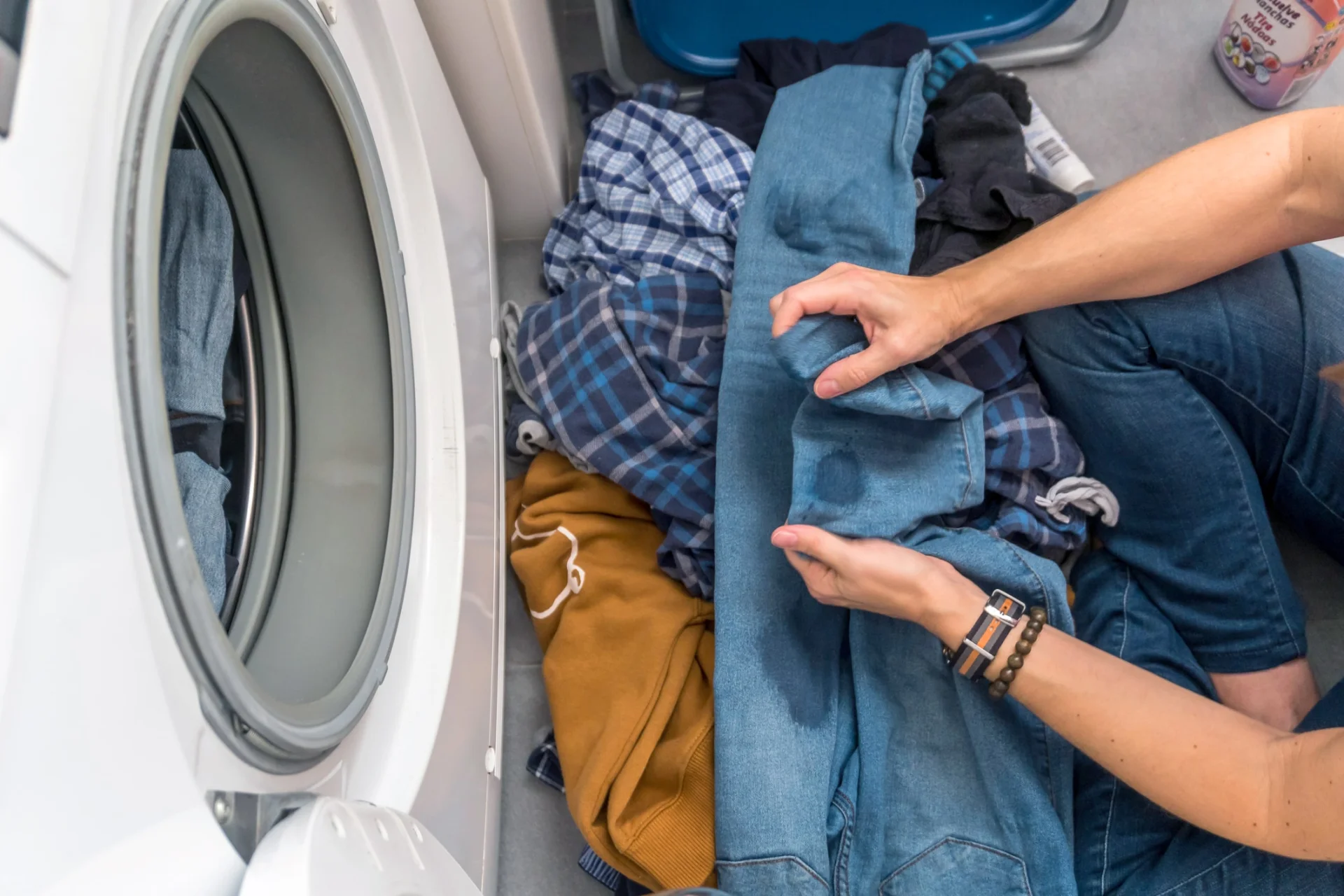
Symptoms: Chalky spots, detergent streaks, or fabrics that feel stiff or uncomfortable.
What’s Really Going On: High-efficiency (HE) washers use less water, which means they need much less detergent than traditional models. If you use too much or the wrong detergent, the washer can’t rinse it all out. The result? White stains, sticky fabrics, or stiff towels. This also leads to buildup inside your washer, which can affect its performance and lead to unpleasant odors over time.
How to Fix It:
- Measure carefully: Always check the detergent instructions. You might be using 2–3 times more than needed, especially for HE machines. You typically only need about 1–2 tablespoons.
- Liquid vs. Powder: Liquid detergents tend to dissolve better, especially in cooler cycles. If you’re experiencing detergent stains, consider switching to a high-efficiency liquid detergent.
- Run an extra rinse: If your machine has an "extra rinse" setting, use it for loads with heavier fabrics or towels to help remove leftover detergent.
- Descale regularly: Build-up from detergent and hard water minerals can reduce washer performance. Clean your machine once a month with vinegar or a specialized washing machine cleaner to keep it in top shape.
Pro Tip: If your washing machine leaves detergent residue often, check the detergent drawer and inside the drum for buildup. A quick clean can fix a lot of issues.
A Dirty Washer Is Making Clothes Smell Worse
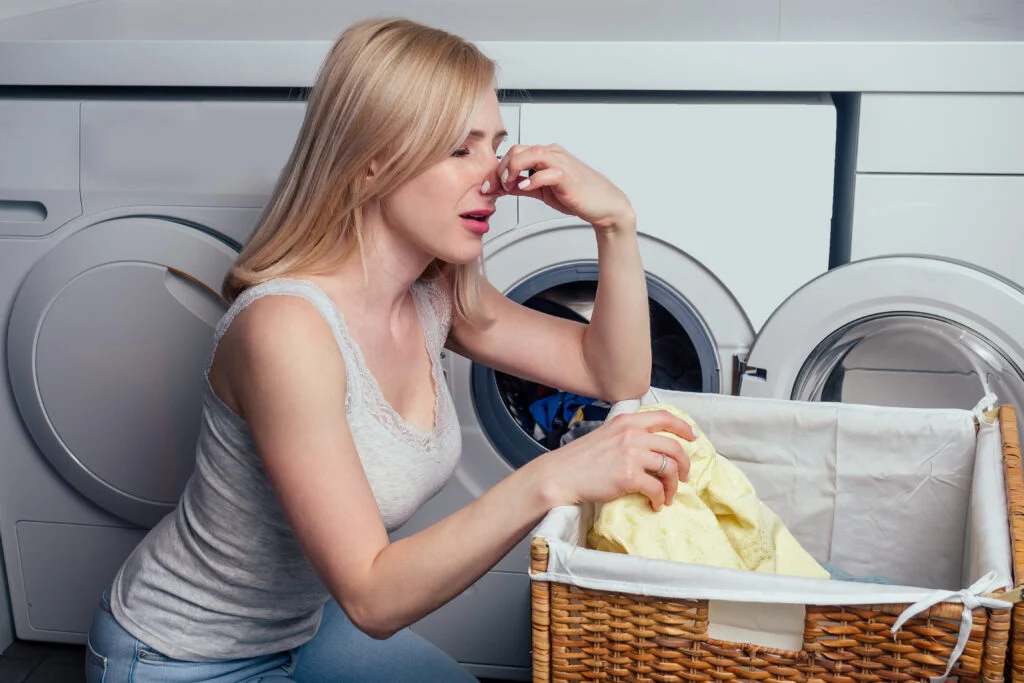
Symptoms: Musty or sour-smelling laundry after washing.
What’s Really Going On: Over time, detergent residue, fabric softener, dirt from your clothes, and moisture can build up inside the washer. This is especially common in front-load washers where moisture gets trapped in the rubber door gasket and drum, creating the perfect environment for mold, mildew, and bacteria to thrive.
How to Fix It: A quick cleaning routine is all you need:
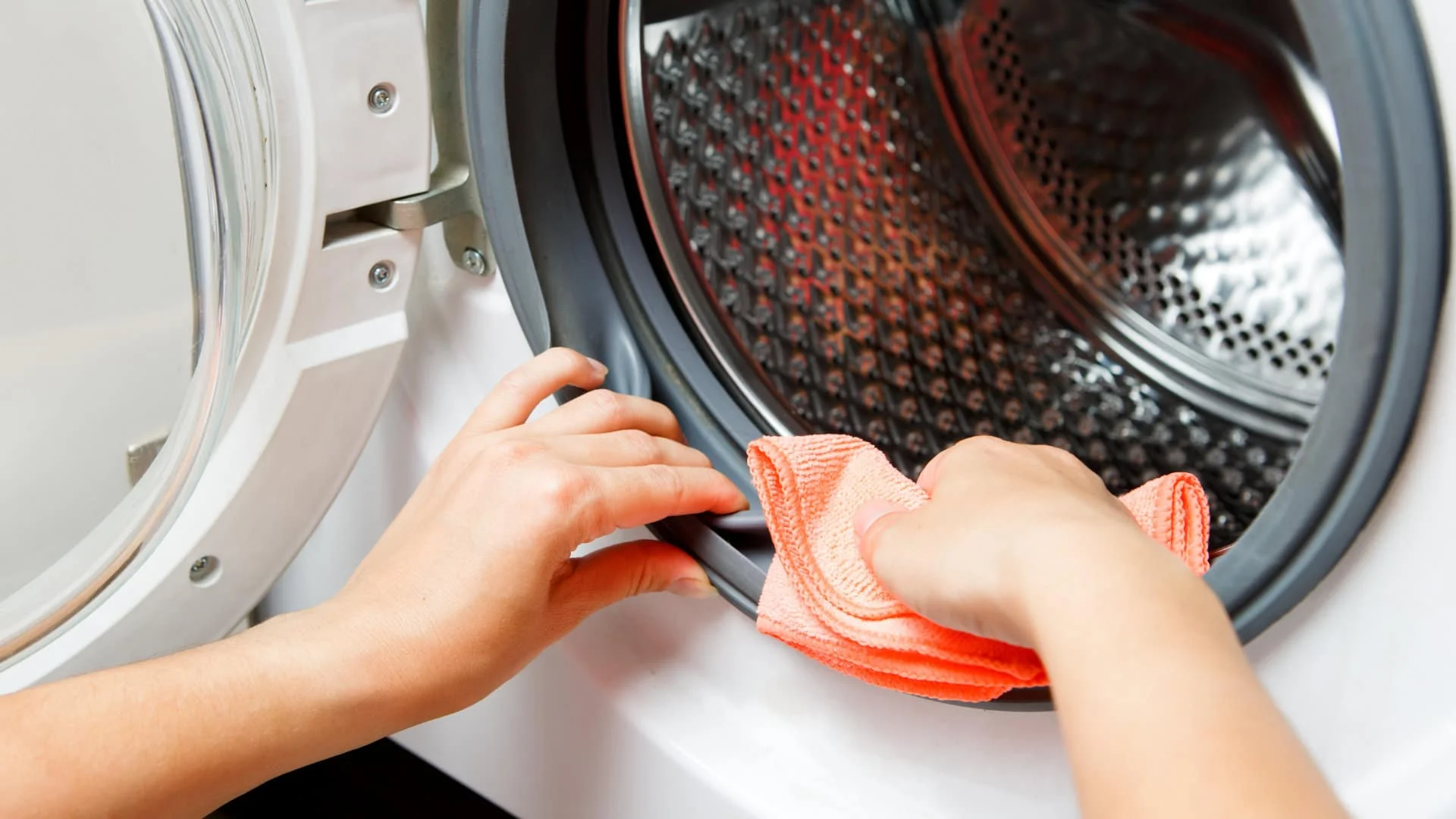
- Wipe down the gasket: Use a cloth soaked in hot water and vinegar to clean the rubber seal (front-load washers are especially prone to buildup here).
- Run a hot vinegar cycle: Pour 2 cups of white vinegar into the drum and run the washer on the hottest setting. This will dissolve residue and kill any mold or mildew.
- Follow with baking soda: Once the vinegar cycle finishes, sprinkle ½ cup of baking soda into the drum and run another hot cycle. This neutralizes odors.
- Leave the door open: After each load, leave the washer door or lid open to allow moisture to escape, preventing mold buildup.
Pro Tip: Use a washing machine cleaner once a month to help tackle extra buildup or lingering odors, especially if you have a front-load washer.
Unbalanced Loads or Wrong Cycle Settings Are Roughing Up Fabrics
Symptoms: Stretched seams, pilling, or faded fabrics.
What’s Really Going On: An unbalanced load during the spin cycle can cause your washer to shake excessively, which puts unnecessary stress on your clothes. Choosing the wrong cycle for the fabric type - like using a heavy-duty cycle for delicates - can lead to stretched-out seams, pilling, and faded colors.
How to Fix It:
- Balance your load: Try to wash similar-weight items together. Don’t mix heavy towels with lightweight T-shirts. This helps the washer spin evenly and reduces fabric stress.
- Know your cycles:
- Delicate/gentle cycle: Best for light fabrics like silk, lingerie, or workout clothes.
- Normal cycle: Ideal for everyday items like T-shirts, sheets, and jeans.
- Heavy-duty cycle: For sturdier fabrics like towels or bedding.
- Delicate/gentle cycle: Best for light fabrics like silk, lingerie, or workout clothes.
- Avoid overloading: Overloading the washer makes it harder for clothes to move freely. This leads to more friction and wear-and-tear. Aim to leave some space in the drum for the clothes to move freely.
Pro Tip: If you’re unsure which cycle to choose, use cold water and a gentle cycle. It’s the safest option to avoid fabric damage.
Bonus Tips for Washing Machine Maintenance & Longer-Lasting Clothes
Want your clothes to stay fresh, soft, and looking like new for longer? Regular care for both your washer and your laundry habits can make a big difference.
Monthly Deep-Cleaning Checklist
Even the best washers need a regular reset. Without maintenance, detergent residue, mold, and bacteria can build up inside, and these can transfer to your clothes.
Here’s a simple monthly cleaning routine:
- Run an empty hot cycle with 2 cups of white vinegar.
- Sprinkle ½ cup of baking soda inside the drum and run a short hot cycle.
- Wipe down rubber seals and the detergent drawer with warm soapy water.
- Leave the door open after each wash to keep moisture from building up.
Tip: If you notice lingering odors, use a store-bought washing machine cleaner once a month.
Use Mesh Laundry Bags for Delicates
To protect delicate fabrics like lace, lingerie, or activewear, use a mesh laundry bag. This helps prevent tangling, snagging, or stretching.
Pro Tip: Use cold water and a gentle cycle for the best results, and avoid overloading the bag to allow the clothes to move freely.
Rethink Fabric Softener
Fabric softeners smell great, but they can coat your clothes in residue, reducing absorbency and causing buildup in your washer. Consider using white vinegar in the rinse cycle instead. It softens fabrics naturally, helps reduce static, and keeps your washer cleaner.
When to Call a Pro (and What It Might Cost)
Sometimes, even with the best maintenance, your washing machine may need professional repair. Here’s how to know when it’s time to call in a specialist:
- Unusual noises (grinding, squealing, or banging)
- Water leakage
- Failure to drain, spin, or complete cycles
- Burning smells
- Inconsistent water temperature
- Drum not spinning or agitating properly
Repair Costs (U.S. Specific)
- Minor repairs: $100 - $300
- Medium repairs: $300 - $500
- Major repairs: $500 - $1,000+
If your machine is over 8 years old, the cost of repair may be comparable to the price of a new one.
Need help? Our expert repair specialists are here to assist. Contact us for a consultation.
Your washing machine may be silently sabotaging your clothes, but the good news is that these issues are usually easy to fix. Whether it's inspecting the drum for damage, adjusting detergent usage, or cleaning the washer regularly, simple habits can make a huge difference in the lifespan of both your clothes and your machine.

Do you want to know more or need a consultation?
Contact us and we will get back to you. [arrow-down]
Other articles
Other Articles





Why Your Oven Takes Too Long to Preheat
Oven not reaching temperature or preheating slowly? Discover the real causes and fixes, then book same-day repair with SmartFix Appliance Repair.

Common Refrigerator Issues We Fix in Charlotte (With Real Cases)
Leaking, loud, or not cold enough? See the top 5 fridge problems Charlotte homeowners face — and how to fix them. Book same-day repair today!