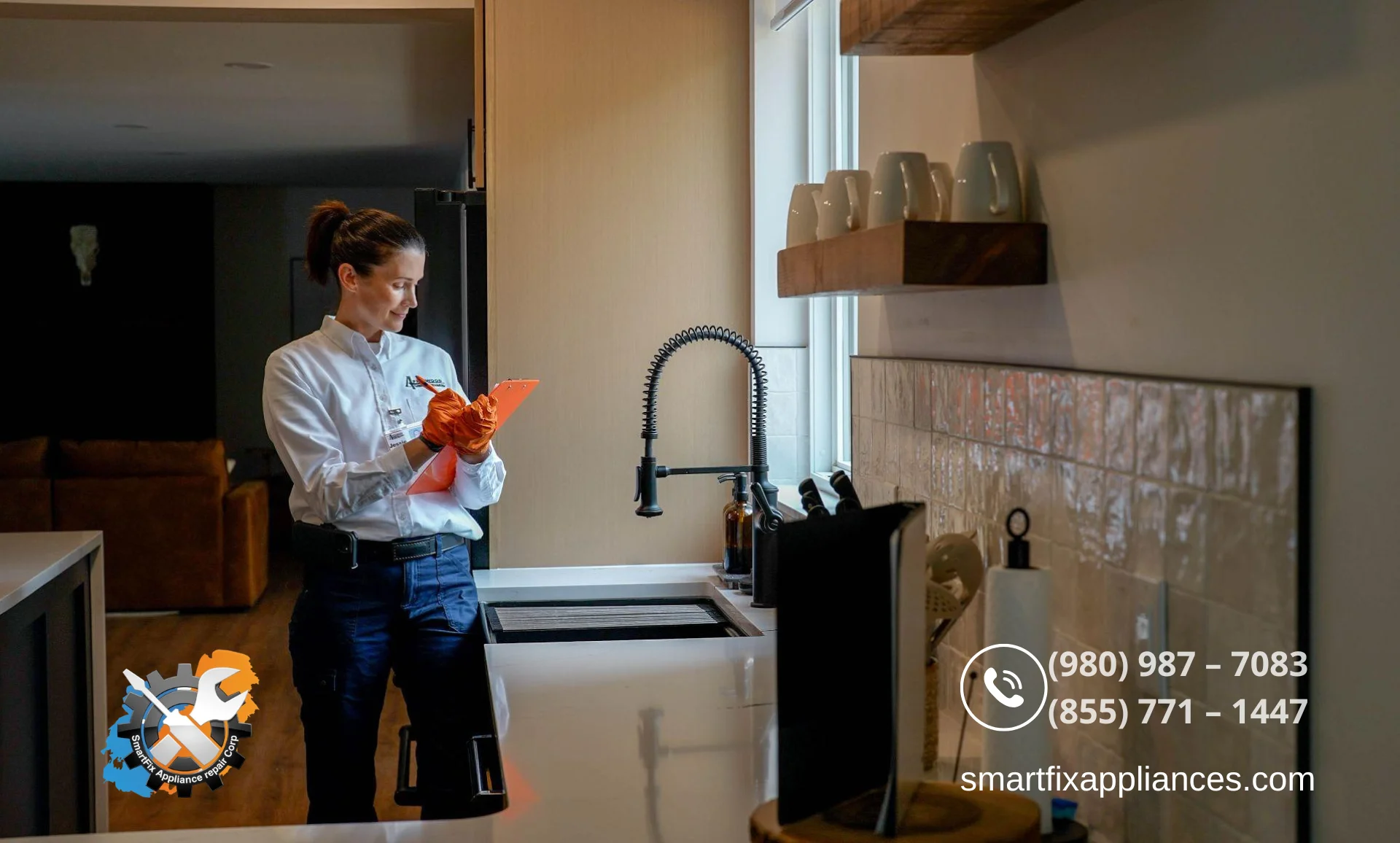
Most appliance failures don’t happen while you’re actively using them. They happen quietly - when the house is empty, the systems are still running, and no one is there to notice the early warning signs.
A slow drip under a washing machine, a slightly clogged dishwasher filter, or a refrigerator working harder than usual might not seem urgent at the moment. But left unattended for a week or two, these small issues can turn into serious water damage, electrical faults, or expensive emergency repairs.
This risk becomes especially relevant during peak travel seasons - summer vacations, long holiday breaks, and winter trips. Millions of homes are left unattended at the same time, and appliances don’t “pause” just because the owners are away.
That’s why a thoughtful safety checklist before leaving is not just a routine - it’s a practical layer of protection. Good appliance safety is about anticipating problems early, not reacting to them after damage has already happened.
A simple vacation prep routine takes less than an hour, but it can prevent the kind of issues that cost thousands of dollars and disrupt your return home.
The Ultimate Appliance Safety Checklist Before Leaving Home
Before any trip, it helps to think of your home as something that needs to be gently “put into rest mode.” The goal of your safety checklist is not just turning things off, but reducing pressure on systems that are most likely to fail when unattended.
Most appliance-related incidents fall into three categories: electrical issues, water leaks, and heat-related risks. Let’s go through each one the way professionals actually think about them during vacation prep.
Your Pre-Vacation Checklist at a Glance
- Unplug non-essential small appliances (coffee maker, toaster, microwave, air fryer, etc.)
- Empty the refrigerator of perishables and enable Vacation Mode if available
- Turn off water supply to washing machines, dishwashers, and ice makers
- Inspect hoses and water connections for cracks or wear
- Clean appliance filters and clear drain systems
- Remove lint buildup from the dryer
- Use surge protection and unplug sensitive electronics where possible
- Do a final walkthrough before leaving
Once the essentials are covered, use the guide below to understand why each step matters.
Small Appliances - The Hidden Electrical Risk Most People Forget
Countertop appliances are often overlooked because they feel harmless. A coffee maker or toaster doesn’t seem like something that could cause damage when not in use - but in reality, they remain connected to your electrical system 24/7.
Even when turned off, they can be affected by voltage spikes or internal component wear.
That’s why technicians always recommend starting your appliance safety routine here: unplug anything that doesn’t absolutely need to stay on.
Coffee machines, microwaves, air fryers, and similar devices should be fully disconnected. Not only does this reduce fire risk, but it also eliminates phantom energy consumption while you’re away.
Refrigerator Prep - Protecting One of the Most Important Appliances in Your Home
Your refrigerator is different from other appliances - it doesn’t get turned off, but it also shouldn’t be ignored.
Before leaving, it’s important to adjust it properly depending on trip length. A refrigerator that is left unmanaged can develop odors, unnecessary energy use, or in some cases, mechanical strain.
If you’re going away for more than a few days, the goal is stability: clean it out, remove perishable items, and make sure it’s operating in an efficient state. Some newer models even include a vacation mode designed specifically for this purpose.
This step alone is one of the most important parts of any safety checklist, because refrigerator failure while away often leads to both food loss and internal damage that is only discovered later.
Water Systems - Where Most Expensive Damage Starts
If there is one area professionals pay the most attention to, it’s water-connected appliances. Washing machines, dishwashers, and ice makers are responsible for a large percentage of residential water damage cases.
The logic is simple: water doesn’t need much time to create serious damage.
Turning off water supply to these systems is one of the most effective leak prevention strategies available to homeowners. It immediately removes pressure from hoses and fittings, which are the most common failure points.
But shutting water off is only part of the process. A proper vacation prep routine also includes physically inspecting hoses for early signs of wear - small cracks, swelling, or stiffness that often indicate upcoming failure.
These are exactly the kinds of issues that lead to emergencies when no one is home.
Filters, Drains, and Why “Small Maintenance” Prevents Big Problems
One of the most underestimated parts of appliance safety is internal cleaning.
Filters and drain systems don’t fail suddenly - they slowly clog over time. And when appliances are left unused for days or weeks, trapped moisture and residue can create odor, mold, or even drainage blockages.
Dryers are especially important here because lint buildup is not just a performance issue - it’s a fire risk.
This is why technicians always include cleaning in a proper safety checklist. It’s not about perfection - it’s about removing conditions that allow problems to develop while you’re away.
Power Protection - The Risk You Don’t See
Electrical surges are one of the least predictable risks in any home.
Storms, grid fluctuations, or even neighborhood power restoration cycles can create sudden voltage spikes. Sensitive appliances like refrigerators, HVAC systems, and electronics are particularly vulnerable.
Unplugging devices where possible and using surge protection is a simple but critical part of vacation prep. It’s not about overthinking - it’s about preventing invisible damage that often goes unnoticed until weeks later.
Smart Home and HVAC Prep - Modern Vacation Protection in 2026
Today’s homes offer something homeowners didn’t have before: visibility while away.
Smart thermostats, sensors, and monitoring systems allow you to maintain appliance safety even from another city or country. Instead of guessing what’s happening at home, you can actually see system status in real time.
Leak sensors are especially valuable here. Water damage is still one of the most expensive home issues, and early detection can make the difference between a small alert and a major repair.
This is why modern vacation prep is no longer just physical - it’s also digital.
When a Checklist Is Not Enough - Call a Technician Before You Leave
Even the best safety checklist has limits. Some issues cannot be solved with simple steps and require professional attention.
A leaking washing machine, unusual refrigerator noise, or inconsistent dishwasher behavior are not “wait and see” problems. They are early warning signs that often worsen over time.
From a cost perspective, pre-vacation inspections are significantly cheaper than post-damage repairs. From a safety perspective, they reduce the chance of returning to an emergency situation.
This is where SmartFixAppliances becomes especially relevant for Charlotte homeowners. A quick inspection before travel ensures your vacation prep is complete - not just on paper, but in reality.
Charlotte-Specific Risks Most Homeowners Overlook
Charlotte adds another layer of complexity due to its climate and seasonal weather patterns.
High humidity increases appliance wear and encourages mold growth in closed systems. Seasonal storms introduce sudden water risks, while power fluctuations during severe weather can stress sensitive electronics.
This is why a generic safety checklist is not always enough. Local conditions matter, and proper vacation prep should reflect that reality.
The Goal Is Prevention, Not Reaction
Good appliance safety is not complicated - it’s consistent.
A thoughtful safety checklist, combined with basic maintenance and smart vacation prep, dramatically reduces the likelihood of expensive home issues while you’re away.
Most importantly, it allows you to travel without uncertainty - knowing that the systems in your home are stable, protected, and ready for your return.
And if anything feels uncertain before you leave, a professional inspection from SmartFixAppliances ensures that small problems are addressed before they become expensive ones.
Frequently asked questions
The most important step is turning off water supply to appliances like washing machines and dishwashers. This helps prevent leaks, which are one of the most common causes of home damage while away.
You don’t need to unplug everything. Focus on small kitchen appliances and non-essential electronics. Large systems like refrigerators or HVAC can stay on if properly set.
Start by shutting off appliance water valves, then inspect hoses for cracks or wear. Adding leak sensors provides extra protection and early alerts.
Yes, in most cases. Just remove perishable food, clean the interior, and adjust settings or activate vacation mode if available.
A proper checklist includes unplugging small appliances, checking water connections, cleaning filters, securing HVAC settings, and testing for leak risks.
If you notice leaks, unusual noises, or performance issues, yes. A quick inspection helps prevent unexpected failures while you’re away.
Because most appliance failures happen when no one is home to notice early warning signs. Prevention reduces repair costs and protects your home.
They should account for humidity, seasonal storms, and power fluctuations. These conditions increase the importance of leak prevention and electrical protection.