

Water Leaking Inside Refrigerator in Fort Mill, NC
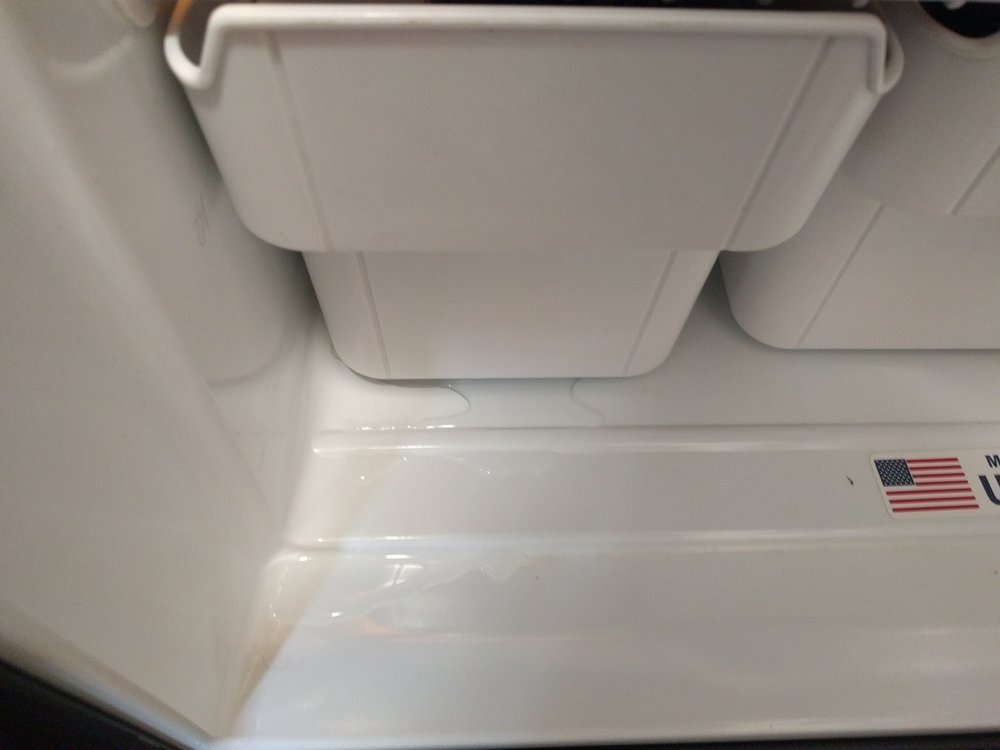
Few things are as frustrating as opening your refrigerator to find water pooling inside — soaking through packaging, collecting under the crisper drawers, or dripping down the back wall. It’s messy, it’s confusing, and it usually raises the same question: is this something simple, or a sign of a bigger problem?
The good news is that this is one of the most common refrigerator issues we’re called out for, and in the vast majority of cases, it comes down to a handful of well-understood causes.
What Usually Causes Water Inside a Refrigerator
By far the most frequent culprit is a clogged defrost drain. Modern refrigerators run an automatic defrost cycle that melts any frost buildup on the cooling coils, and that water is supposed to flow out through a small drain at the back of the fridge into a pan underneath. When that drain gets blocked — usually by food debris, mineral buildup, or ice — the water has nowhere to go except back into the compartment. If your fridge isn’t defrosting properly at all rather than just leaking, see our guide on refrigerator not defrosting fix.
The second most common cause is a damaged or dirty door gasket. If the rubber seal around the door has worn out, cracked, or come loose, warm and humid air seeps in every time the door closes. That extra humidity condenses inside the fridge, and over time it can look exactly like a leak.
Less commonly, the problem traces back to blocked or frozen vents, which disrupt airflow and cause uneven cooling and moisture buildup in specific spots, or a faulty water filter or water line on refrigerators with a built-in dispenser — a poorly seated filter or a small line leak can easily be mistaken for an internal leak.
What You Can Check Yourself
You don’t need any special tools to get a good idea of what you’re dealing with — the location and appearance of the water usually tell the story.
- If you notice ice forming along the back wall or behind the crisper drawers, that’s a strong sign of a clogged or freezing defrost drain. For a closer look at this specific symptom, see our guide on frost buildup inside a refrigerator
- If the water is showing up near the door instead, the gasket is the more likely suspect.
- If you catch a musty smell along with the standing water, that’s worth taking seriously — it can mean mold has already started to develop.
- If you can reach the drain without taking anything apart, flushing it gently with warm water is a reasonable first step and often clears a minor blockage on its own. But if the water keeps coming back, or you can’t tell where it’s coming from, that’s the point where it makes sense to stop guessing and get it looked at.
Why It’s Worth Taking Seriously
It’s tempting to treat this as a cleanup chore rather than a repair issue, but standing water inside a refrigerator carries some real downsides if it’s left alone. It creates the kind of cool, damp environment mold thrives in, which can spread to food and surfaces over time. Food packaging sitting in pooled water is also at risk of contamination. And on some models, water intrusion near internal lighting or electronic components can even introduce an electrical hazard — which is one of the reasons we’d rather a technician handle anything beyond a simple drain flush.
Real Service Call: Water Leaking Inside a Refrigerator in Fort Mill, NC
That’s exactly the situation a homeowner in Fort Mill, NC found themselves in when they reached out to SmartFix Appliance Repair. Water was collecting inside their refrigerator, affecting how they stored food and creating an ongoing mess they couldn’t get ahead of.
Technician Russell Hrachou from the SmartFix Appliance Repair team went through the problem methodically. He started with the basics, ruling out overfilled containers or blocked airflow as the cause, before turning his attention to the defrost drain — and sure enough, it was partially clogged, preventing melted defrost water from draining the way it should. After clearing and flushing the blockage, he checked the door seal to confirm it was sealing properly and inspected the water filter for any signs of improper installation or leakage. A short test cycle confirmed the fix had worked: no further water accumulation, problem solved.
The whole visit took about an hour, and no parts needed replacing — a fairly typical outcome for this type of issue.
What This Tells Us About Similar Cases
In our experience, a clogged defrost drain is the issue behind most calls like this one, particularly when the water shows up at the bottom of the fridge or under the crisper drawers rather than around the door. Gasket problems and water filter issues tend to be the next most likely explanation, usually giving themselves away by where the moisture appears — near the door seal or close to the dispenser.
What It Typically Costs to Fix
Because the cause varies, so does the fix. A defrost drain clearing with no parts required is usually the quickest and least expensive option — often wrapped up within an hour, as it was in the Fort Mill case above. A door gasket replacement is typically a same-day job once the right part is confirmed for your model, and water filter or line repairs are usually straightforward once the leak point is identified, though tracking down a specific filter can occasionally add time. If a drain has already been cleared but the leak keeps coming back, that’s often a sign of something more involved, like a failing defrost heater or a control board issue, which calls for a closer diagnostic look. Exact pricing will depend on your refrigerator’s make and model — contact us for a quote specific to your appliance.
When It’s Time to Stop Troubleshooting and Call a Technician
A little detective work goes a long way with this issue, but there are a few signs that mean it’s better to bring in a technician rather than keep experimenting: the water keeps returning shortly after you’ve cleared a visible clog, you notice mold or a persistent musty smell, water is appearing anywhere near internal lighting or electrical components, or the leak is showing up alongside unusual noises or a fridge that isn’t cooling the way it should.
Prevention Tips
A little routine maintenance goes a long way toward avoiding a repeat of this problem. Cleaning the defrost drain periodically keeps buildup from turning into a full clog, and giving the door gasket a quick check every few months for cracks or looseness catches wear before it lets in enough humidity to cause condensation. Replacing the water filter on the schedule your manufacturer recommends helps avoid filter-related leaks, and being mindful not to overpack the fridge keeps vents clear and airflow working the way it’s designed to.
Dealing With a Refrigerator Leaking Water in Fort Mill, NC?
If you’re seeing water inside your fridge and aren’t sure why, our certified technicians can usually diagnose and fix it the same day. Contact us and we’ll get back to you.
FAQ
Why is water pooling inside my refrigerator?
Most often, it’s a clogged defrost drain preventing melted frost from draining out properly, causing it to collect inside the compartment instead.
Is water inside my fridge a sign of a bigger problem?
Usually not — a clogged drain is a simple fix. But if the leak keeps coming back after you’ve cleared it, that can point to a failing defrost heater, a damaged gasket, or a control issue worth having checked.
Can I fix a clogged defrost drain myself?
If you can reach the clog without taking anything apart, flushing it with warm water is worth trying. If the problem persists or the drain isn’t easily accessible, it’s better left to a technician.
How much does it cost to fix a refrigerator leaking water inside?
It depends on the cause. Clearing a defrost drain tends to be the least expensive fix, while gasket or component replacement runs higher due to parts.
Couldn’t find your type of appliance or issue listed?
Chances are we can still help — just specify the item as “Other” in the booking form.