
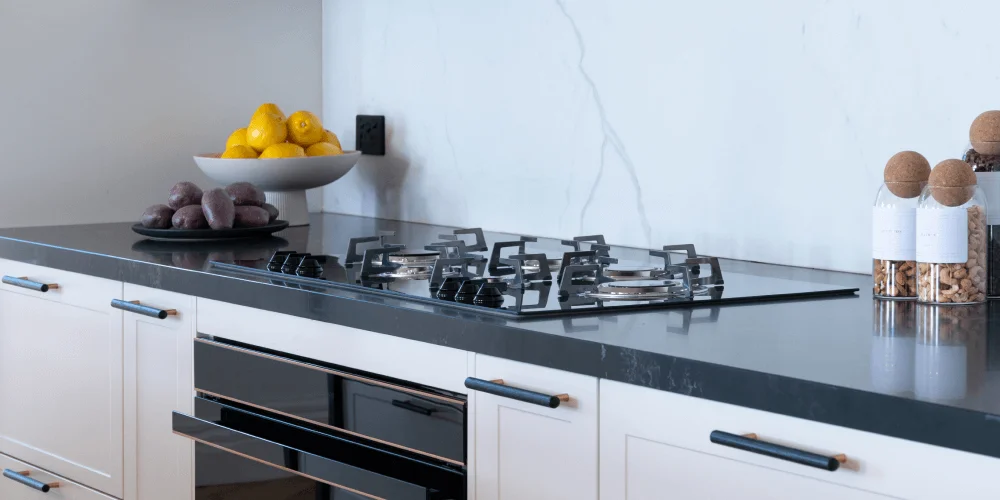
But don’t worry! You’re not alone in this struggle. Many home cooks face this issue, and understanding what causes uneven heating is the first step toward resolving it.
Addressing uneven heating is not just about improving your culinary results; it’s also about enhancing your energy efficiency. A cooktop that heats evenly uses less energy, which can save you money on your utility bills while reducing your environmental impact.
In this guide, we’ll explore the common causes of uneven heating, help you identify the problem, and provide practical solutions to ensure your cooktop works efficiently, allowing you to enjoy a seamless cooking experience. Let’s get started!
Common Causes of Uneven Heating
Understanding what’s behind uneven heating on your cooktop can help you troubleshoot and resolve the issue effectively. Here are some common culprits:
Burner Issues
One of the most frequent causes of uneven heating is malfunctioning burners. If a burner is damaged or worn out, it may not distribute heat evenly. Look for signs like discoloration, cracking, or inconsistent flame (for gas cooktops) to determine if your burner needs repair or replacement. Regular maintenance can ensure your burners function optimally, providing consistent heat for your cooking.
Cookware Compatibility
The type and material of cookware you use play a crucial role in heat conduction. For instance, heavy-bottomed pots and pans made of materials like stainless steel or cast iron tend to distribute heat more evenly compared to thinner or unevenly constructed cookware. If you notice hot spots or cold spots while cooking, consider investing in high-quality cookware that matches your cooktop’s specifications for better heat distribution.
Surface Condition
A dirty or damaged cooktop surface can significantly hinder proper heat transfer. Food residue, grease, or scratches can prevent the burners from making optimal contact with your cookware. Regularly cleaning your cooktop not only enhances its appearance but also ensures efficient heating. If you notice any cracks or severe damage on the surface, it may be time to consult a professional for repairs.
Electrical Problems
Sometimes, the issue might lie deeper within the cooktop’s electrical system. Wiring problems or faulty control settings can lead to inconsistent heating. If you suspect electrical issues, it’s best to consult a qualified technician who can diagnose and repair any underlying problems, ensuring your cooktop operates safely and efficiently.
Identifying the Problem
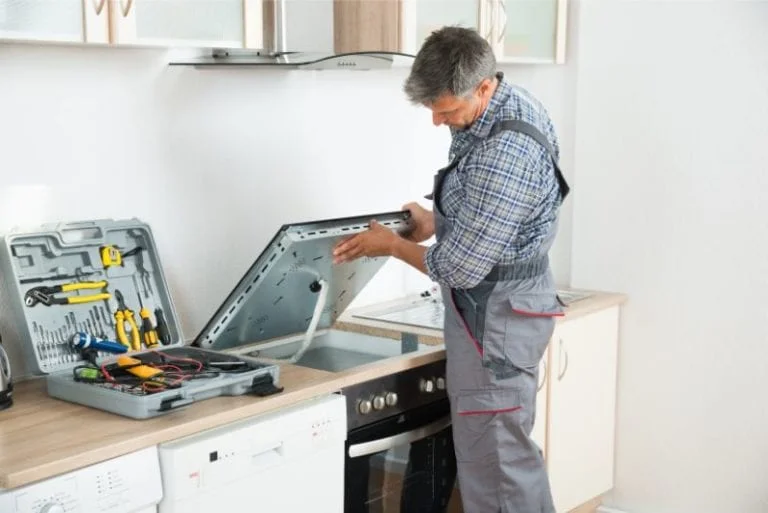
Once you suspect uneven heating is affecting your cooking, it’s time to dive deeper and identify the root causes. Here are some effective methods for diagnosing the issue:
Visual Inspection
Start with a thorough visual inspection of your cooktop and burners. Follow these steps:
- Examine the Burners: Turn off the cooktop and let it cool down completely. Check each burner for any visible signs of wear or damage, such as cracks, chips, or discoloration.
- Look for Debris: Ensure there are no food particles or debris lodged in or around the burners that could hinder heat distribution.
- Check Connections: For gas burners, verify that the burner cap is seated properly and that there are no clogs in the burner ports.
This quick inspection can often reveal issues that need immediate attention.
Testing Cookware
Next, it’s crucial to assess whether your cookware is suitable for your cooktop. Here are some methods to test compatibility:
- Material Check: Ensure your pots and pans are made from compatible materials. For induction cooktops, cookware must be magnetic. Use a magnet to test if your pots adhere to the surface.
- Conduct a Heat Test: Place a pot of water on the burner and turn it on high. Monitor how quickly the water heats up. If it takes significantly longer than expected, your cookware may not be conducting heat efficiently.
Choosing the right cookware can make a significant difference in your cooking experience.
Temperature Checks
To get a precise reading of temperature distribution across your cooktop, consider using an infrared thermometer. Here’s how:
- Calibrate the Thermometer: Ensure your infrared thermometer is properly calibrated according to the manufacturer’s instructions.
- Take Readings: With the cooktop on, point the thermometer at different areas of the surface, especially near each burner. Take note of any temperature discrepancies.
- Analyze Results: If you find significant variations in temperature, it may indicate problems with either the cooktop or your cookware.
Using an infrared thermometer provides valuable insights into how evenly your cooktop is heating and helps pinpoint specific areas that may need attention.
Fixing the Issue
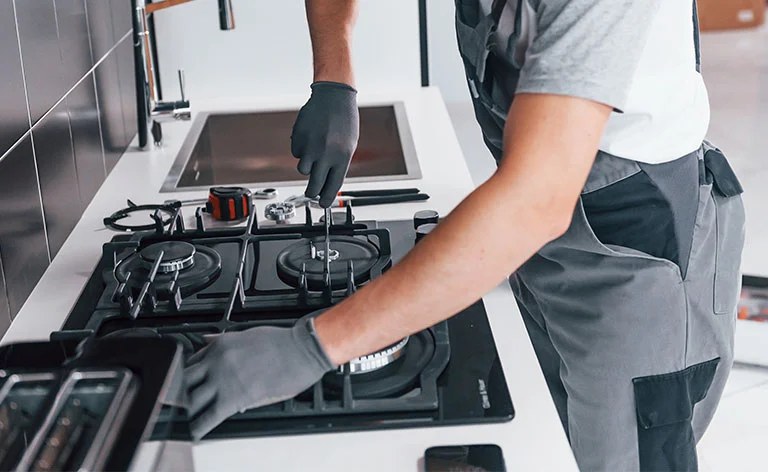
Once you’ve identified the root causes of uneven heating, it’s time to take action. Here’s how to effectively address the issue and get your cooktop back to optimal performance:
Burner Repair or Replacement
If your inspection reveals that a burner is faulty, you’ll need to consider repair or replacement. Follow these steps:
- Repairing Burners:
- Cleaning: Start by cleaning the burner thoroughly. Remove any food residue or debris that might be affecting its performance.
- Checking Connections: Ensure all connections are secure. If the burner isn’t igniting properly, check the igniter and connections for gas burners.
- Testing: After cleaning and checking connections, test the burner. If it still doesn’t function correctly, replacement might be necessary.
- Replacing Burners:
- Identify the Model: Before purchasing a new burner, identify your cooktop’s make and model to ensure compatibility.
- Installation: Most burners can be replaced easily. Follow the manufacturer's instructions for safe installation, ensuring all power or gas sources are turned off before you begin.
Cookware Adjustments
Using the right cookware can dramatically improve heating efficiency. Consider the following tips:
- Choose Flat-Bottomed Cookware: Flat-bottomed pans ensure maximum contact with the cooking surface, promoting even heat distribution.
- Material Matters: Opt for materials that conduct heat well, such as stainless steel or copper. Avoid warped or damaged cookware that may not sit evenly on the burners.
- Size Appropriateness: Match your cookware size to the burner size. Using a small pot on a large burner can lead to uneven heating and wasted energy.
Cleaning the Cooktop
A clean cooktop surface is essential for efficient heat transfer. Here’s a step-by-step cleaning guide:
- Gather Supplies: You’ll need a soft cloth or sponge, a non-abrasive cleaner, and warm soapy water.
- Turn Off the Cooktop: Ensure the cooktop is off and cool before cleaning.
- Remove Burners: If possible, remove the burners to access the surface underneath.
- Wipe Down: Use the sponge soaked in warm soapy water to wipe down the cooktop surface, focusing on any stubborn spots. Avoid harsh chemicals that could damage the surface.
- Rinse and Dry: After cleaning, rinse with a damp cloth and dry thoroughly to avoid residue buildup.
Regular cleaning helps maintain optimal heat transfer and prevents future heating issues.
Electrical Troubleshooting
If you suspect electrical problems are at play, it’s best to proceed with caution. Here’s what to do:
- Inspect Wiring: Check for frayed wires or loose connections, but do not attempt to fix electrical components unless you are experienced.
- Check Control Settings: Ensure the control knobs are functioning properly and that settings are accurately calibrated.
- When to Call a Professional: If you notice persistent issues with electrical heating, call a qualified technician. Signs that indicate professional help is needed include strange noises, burning smells, or frequent tripping of circuit breakers.
Taking these steps will help you effectively address uneven heating on your cooktop, ensuring a better cooking experience.
Preventive Measures for Future Issues
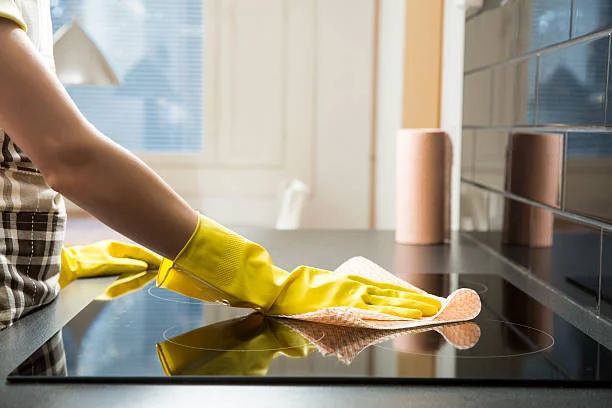
To keep your cooktop functioning at its best and prevent uneven heating from becoming a recurring issue, consider implementing the following preventive measures:
Regular Maintenance Tips
- Routine Cleaning: Make it a habit to clean your cooktop after each use. This not only prevents buildup but also ensures optimal heat transfer during cooking.
- Inspect Burners: Regularly check your burners for any signs of wear, damage, or dirt. Addressing small issues promptly can prevent larger problems later on.
- Calibrate Settings: Occasionally verify that your cooktop settings are accurate. This ensures that you’re getting the correct temperatures while cooking.
Choosing the Right Cookware
- Material Matters: Opt for cookware made of materials that promote even heat distribution, such as stainless steel, cast iron, or copper. Avoid using warped or damaged pots and pans.
- Size Appropriateness: Always match your cookware to the size of the burners. Using larger pots on smaller burners can lead to inefficient cooking and uneven heating.
- Flat-bottomed Cookware: Choose pans with flat bottoms to ensure maximum contact with the cooking surface, which enhances heat distribution.
Monitoring Cooking Habits
- Mindful Cooking: Pay attention to cooking practices, such as preheating your cooktop properly and not overcrowding pans, which can cause uneven cooking.
- Temperature Awareness: Adjust heat levels gradually and monitor how different settings affect cooking outcomes. This awareness can help you achieve better results.
Ensuring a Smooth Cooking Experience
In summary, uneven heating on your cooktop can stem from a variety of issues, including burner malfunctions, cookware incompatibility, and electrical problems. By identifying these problems and taking proactive measures—such as regular maintenance, choosing the right cookware, and monitoring your cooking habits—you can enhance your cooking experience.
Don’t let uneven heating disrupt your culinary creations. Assess your cooktop and make the necessary adjustments for improved performance and delicious results.
If you encounter persistent issues or need professional assistance, don’t hesitate to contact SmartFix. Our team of experts is here to help with all your cooktop repairs and maintenance needs, ensuring your kitchen remains a place of joy and efficiency.
Do you want to know more or need a consultation?
Contact us and we will get back to you. [arrow-down]
Other articles
Other Articles


Why Your Oven Takes Too Long to Preheat
Oven not reaching temperature or preheating slowly? Discover the real causes and fixes, then book same-day repair with SmartFix Appliance Repair.

Common Refrigerator Issues We Fix in Charlotte (With Real Cases)
Leaking, loud, or not cold enough? See the top 5 fridge problems Charlotte homeowners face — and how to fix them. Book same-day repair today!