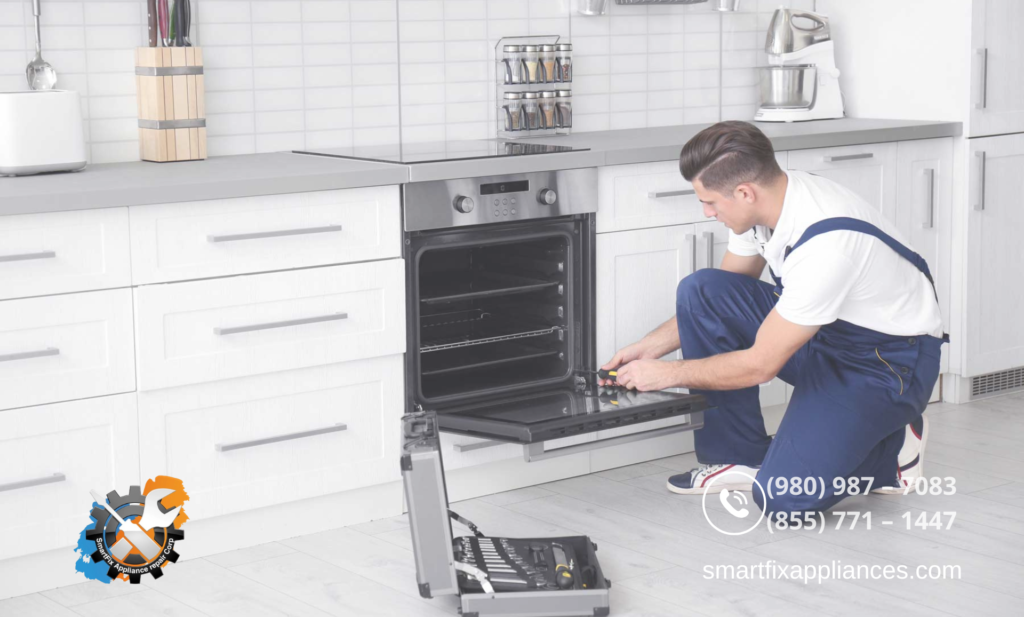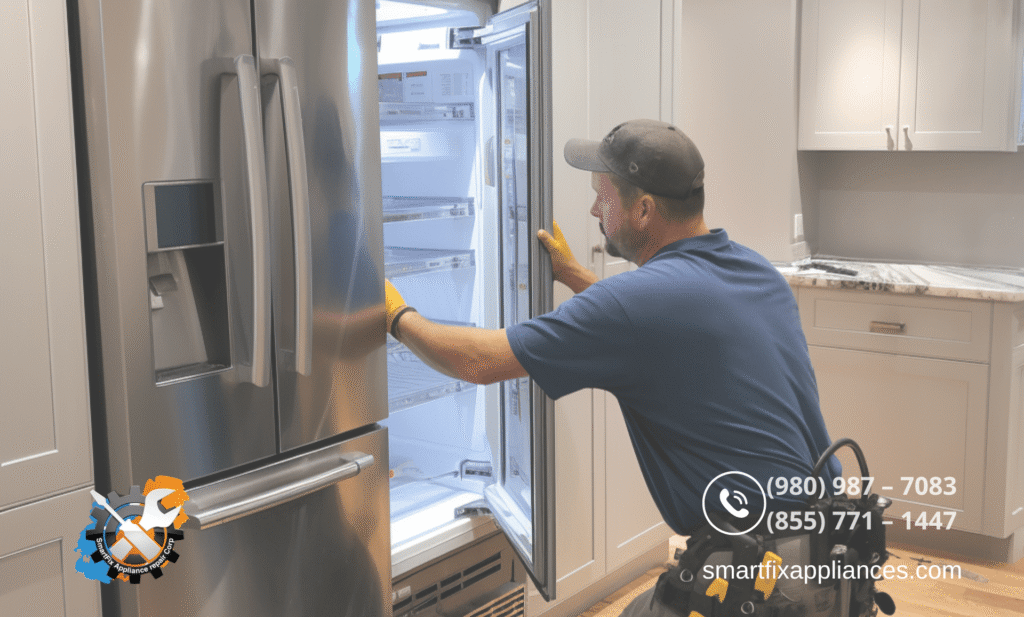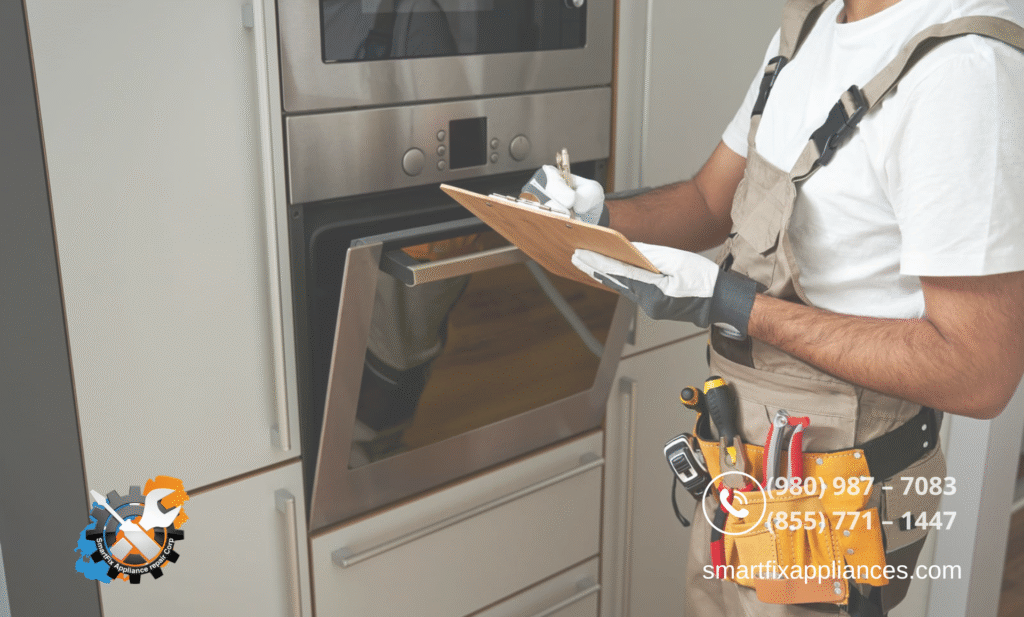


Tackling a broken appliance yourself may feel empowering – after all, DIY appliance repair is often faster and can save money. But what seems like a simple fix may quickly turn into a costly mistake or even a safety hazard if proper precautions aren’t followed.
That’s why understanding DIY appliance repair safety is so important. Even small mistakes – like mishandling electrical components or ignoring routine maintenance – often lead to accidents or further damage.
By following simple appliance safety tips and incorporating basic home appliance maintenance tips into your routine, you can prevent accidents, protect your home, and keep your appliances running efficiently for years. Think of it as a roadmap for safe, smart repairs that give you confidence every time you reach for a tool.
Why Safety Matters in DIY Appliance Repair
Even small appliances may pose serious risks if not handled correctly. From electrical shocks to gas leaks, burns, or improper repairs, the consequences of a DIY mistake can be more than just inconvenient – they can be dangerous. A simple misstep when repairing a dryer or oven could result in a fire hazard or permanent appliance damage.
According to Consumer Reports, nearly 25% of home appliance incidents involve some form of electrical or mechanical mishap during DIY repairs. Similarly, Safety.org notes that improper handling of household appliances is a common cause of minor injuries in the home each year.
Even if your dishwasher or refrigerator seems straightforward, handling it without proper knowledge often create bigger problems than the original issue. Following appliance safety tips ensures that you stay protected while addressing repairs efficiently. A cautious, informed approach keeps both you and your home safe while extending the life of your appliances.
Essential DIY Appliance Repair Safety Checklist
Preparation and caution are your best friends when attempting DIY appliance repair. A structured safety checklist helps prevent accidents and keeps appliances in top condition.
Prepare Your Workspace
- Clear the space of clutter and ensure proper lighting and ventilation.
- Avoid water hazards or wet floors to prevent slips and electrical shocks.
- Gather the right tools: insulated screwdrivers, protective gloves, and safety goggles.
Disconnect Power and Gas Sources
- Unplug appliances or switch off the circuit breaker.
- For gas-powered appliances, always turn off the gas supply.
Skipping this step is one of the most common causes of accidents during DIY appliance repair.
Know Your Appliance
- Consult the model manual for proper instructions and warnings.
- Identify parts that may pose risks, like electrical components, heating elements, or pressurized systems.
- Recognize which tasks are safe to do yourself and which require a professional.
Common Household Appliance Hazards
| Appliance | Common Risks | Safety Tip |
| Refrigerator | Electrical shock, heavy lifting | Unplug and ask for help moving |
| Washer/Dryer | Electrical, water, heat | Disconnect power & water |
| Oven/Stove | Gas leak, burns | Turn off gas & wait to cool |
| Microwave | Electrical shock, radiation | Unplug & avoid internal repairs |
Following this checklist ensures your DIY appliance repair is safer, more efficient, and less stressful. Proper preparation protects you and helps maintain appliance longevity.
Top Appliance Safety Tips for Homeowners
Keeping yourself and your home safe starts with a few simple rules. Here are the top appliance safety tips:
- Always follow manufacturer instructions – manuals exist for a reason; ignoring them can be costly.
- Avoid DIY if unsure about wiring or gas connections – electrical and gas components are dangerous; calling a licensed professional is safer.
- Wear protective gear – gloves, goggles, and insulated tools prevent burns, shocks, or cuts.
- Keep children and pets away – distractions or accidental contact with hot or electrical parts often cause accidents.
Mini Case Study:
A homeowner attempted a quick repair on a gas stove without shutting off the gas properly. A small spark caused a minor flare-up. No one was hurt, but the stove needed professional repair afterward – a costly and preventable mistake. This shows why following appliance safety tips is crucial.
Home Appliance Maintenance Tips to Reduce Repair Risks
Preventing appliance emergencies often starts long before something breaks. Regular maintenance keeps appliances running efficiently and reduces costly repairs. Incorporate these home appliance maintenance tips into your routine:
- Clean filters and vents monthly – dust, lint, and debris may reduce efficiency and become fire hazards.
- Check hoses, cords, and connections for wear – leaks, frayed wires, or loose connections can cause failures.
- Schedule professional inspections annually – even experienced DIYers benefit from a licensed technician checking major appliances.
Quick Maintenance Checklist:
- Clean refrigerator and HVAC filters
- Inspect washer and dryer hoses
- Check oven, stove, and microwave for wiring or gas issues
- Schedule yearly professional inspection
These steps not only extend appliance life but make DIY appliance repair safer if minor issues arise. Preventive care today saves stress and money tomorrow.
When to Call a Professional Instead of DIY
Some problems are simply too risky to handle at home. Recognizing red flags often prevent injuries, further damage, and unnecessary expenses:
Red Flags:
- Gas leaks – never attempt DIY repairs on gas lines.
- Electrical wiring issues – frayed wires, sparks, or tripping breakers need a licensed professional.
- Unusual noises – grinding, buzzing, or rattling often signal a complex problem.
- Repeated malfunctions – recurring issues require a professional diagnosis.
Why Licensed Technicians Make a Difference
Licensed professionals bring training, experience, and proper tools. According to Consumer Reports, nearly 30% of DIY repairs fail or cause additional damage. Calling a professional isn’t failure – it’s smart and safe, saving time, money, and stress.
Staying safe during DIY appliance repair comes down to preparation, awareness, and following proven practices. Apply appliance safety tips, like wearing protective gear, disconnecting power or gas, and keeping children away. Combine this with home appliance maintenance tips, such as cleaning filters, inspecting hoses, and scheduling annual professional checks, and you’ll prevent many emergencies before they happen.
Even minor mistakes can become costly. Always prioritize safety – when in doubt, call a licensed technician for reliable repairs. Proper precautions today keep you and your appliances safe tomorrow.
FAQ
Is it safe to do DIY appliance repair at home?
Minor fixes can be safe if you follow proper appliance safety tips, disconnect power or gas, and use protective gear. For complex issues, call a licensed technician.
What are the most common risks of DIY appliance repair?
Electrical shocks, gas leaks, burns, and appliance damage are the main risks. Following safety precautions can prevent most accidents.
How can I reduce the risk of accidents during DIY repairs?
Prepare your workspace, disconnect power and gas, wear gloves and goggles, and read the appliance manual before starting.
How often should I perform home appliance maintenance?
Clean filters and vents monthly, inspect hoses and cords regularly, and schedule a professional inspection at least once a year.
When should I stop DIY and call a professional?
Call a licensed technician for gas leaks, electrical wiring issues, unusual appliance noises, or repeated malfunctions.
Are licensed technicians really necessary?
Yes. Licensed professionals ensure repairs are safe, reliable, and reduce long-term risks of damage or injury.